The EBiM-Lite Competition

Three tracks on a low-cost mobile bimanual robot, evaluated with full autonomy from Isaac Sim to the real world.

Why this benchmark

Physical AI learning and development for all university and industry learners

EBiM-Lite is the dual SO-101 adaptation of the EBiM (Embodied Bimanual Manipulation) benchmark. It adapts the three tracks of the full benchmark and runs them on open-source, low-cost hardware so that more university teams can take part. Teams learn in simulation, then the best policies are validated across sites and evaluated on real robots.

Full autonomy only

No teleoperation. Only full autonomy is evaluated.

3 tracks, ranked separately

Each track has its own ranking.

Sim → Real

Isaac Sim pre-selection decides who advances to real-robot evaluation.

EBiM vs EBiM-Lite

How EBiM-Lite differs from the full EBiM benchmark

See the full benchmark at ebim-benchmark.github.io ↗. Track 1 fixtures follow ManipulationNet ↗.

EBiM 2026 (full)EBiM-Lite 2026
RobotMobile FR3 DuoTurtleBot 4 + 2 × SO-ARM101 (6-DoF)
ParticipantsOpen worldwideUniversity and industry learners in Taiwan
SimulationIsaac Sim / MuJoCo / GenesisIsaac Sim / Isaac Lab
Validation sitesHamburg, Munich, ShanghaiTaipei/Taoyuan, Tainan/Kaohsiung, Hsinchu (TBC)
FinalReal-world validation at partner labsReal-robot final at GTC Taipei, mid-May 2027
Arena150 cm aisles100 cm aisles, Moxboda tables (H 30 cm, Ø 70 cm)
Track 1Cable Routing & Plugging, 30-minute limitCable Routing on a scaled-down 20 × 20 cm board, 60-minute limit
Track 2Thermal pad placement, P × O × IoUSame scoring; only 3 memory modules as candidate targets
Track 3Assisted Living & Feeding: 4 stages incl. feeding, max 16 ptsService Robot Challenge: 3 stages (no feeding), max 10 pts
MetricsOutcome (ranked) + process + safety gatesPrimary metric + tie-breaker; process/safety metrics TBA
Resources for teamsCompute grants from partnersDLI courses, Brev credits, GPU hours, DGX Spark/RTX loan, robots for selected teams
Three-stage mechanism

Simulation → Cross-Site Validation → Real-World Evaluation

I
Simulation
Pre-selection Feb 25 – Mar 25, 2027

Compete virtually in Isaac Lab on deterministic simulation tasks.

II
Cross-site validation
Mar – May 2027

About 10 selected teams get hardware and run offline preliminary rounds at validation sites in Taiwan.

III
Real-world final
Mid-May 2027 · GTC Taipei

Real-robot final, workshop, awards for the top 3 teams and a benchmark report. Workshop →

The benchmark

What makes up EBiM-Lite

01

Task suite

Cable routing, thermal pad pick-and-place and a long-horizon service cycle.

02

Metrics

A primary metric and a tie-breaker per track (see Tasks below).

TBA Process and safety metrics, if any, will be published in the rulebook.

03

Sim-to-real protocol

Same tasks and scoring rules in Isaac Sim and on the real robot.

04

Low-cost open hardware

Two SO-ARM101 arms on a TurtleBot 4.

05

Leaderboard

Simulation and real-world results on a leaderboard.

06

Benchmark report

A benchmark report is published after the final.

Benchmark tasks

Three tracks

Track 1Deformable Object Manipulation

Cable Routing

Industrial scenario: path recognition → cable grasping → routing → fixation, on a 20 cm × 20 cm board.

Time limit60 min / attempt
ModeFull autonomy only
Primary metricCompletion rate
Tie-breakerCompletion time

Task flow

1Path recognition
2Cable grasping
3Routing
4Fixation

Scenario

  • Route the cable per the given configuration, fixture sequence and direction
  • Only full autonomy is evaluated: no teleoperation
  • 60-minute time limit per attempt
  • The task board is scaled down from the full EBiM version

Scoring

Completion Rate = Prefix ÷ Total Prefix = continuous correct fixtures from the start
  • Primary metric: completion rate (%)
  • Tie-breaker: completion time
Scoring example
12345678910

A board with 10 fixtures. Fixtures 1–6 are routed correctly, #7 is missed, and 8–10 are routed correctly afterwards.

Prefix = 6 → completion rate = 6 ÷ 10 = 60%. Fixtures 8–10 do not count.

Illustrative example only. Official details will be in the rulebook.
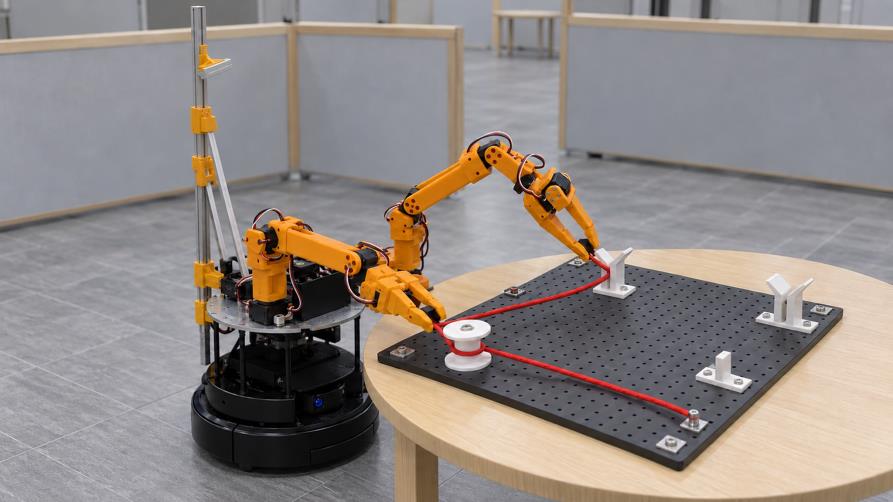
Dual SO-101 robot routing a red cable on a fixture board
Cable routing on the EBiM-Lite platform
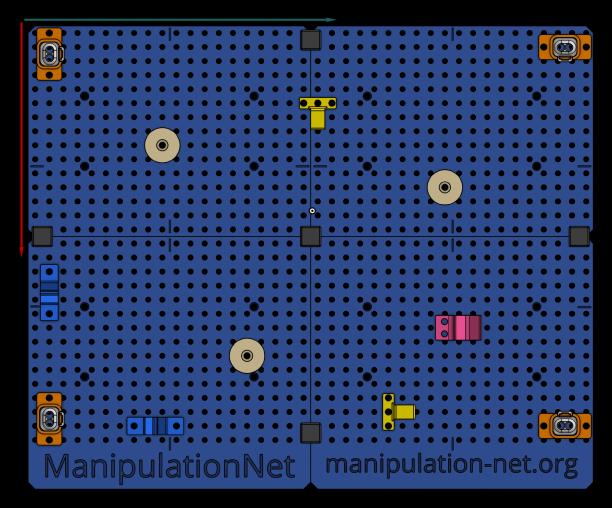
Fixture board layout
Fixture board (ManipulationNet)
Cable routing path in Isaac Sim
Routing path in Isaac Sim
Fixture types
Fixture types
Track 2Precision Placement

Thermal Pad Pick-and-Place

Industrial electronics manufacturing: Thermal Interface Material (TIM) assembly benchmark.

Targets3 memory modules (random)
ModeFull autonomy only
Primary metricP × O × IoU
ThenRaw IoU → time

Scenario

  • Pick a thermal pad and place it on a randomly assigned target
  • Only 3 memory modules are used as candidate targets
  • Keep correct orientation: wrong orientation scores 0
  • Placement accuracy scored by IoU (0.0 – 1.0)

Scoring

Score = P × O × IoU Pick success × Orientation × IoU
  • Primary metric: P × O × IoU
  • Secondary metric: raw IoU
  • Tie-breaker: completion time
Scoring examples
POIoUScore
✓ picked✓ correct0.850.85
✓ picked✗ wrong0.900
✗ failed——0

If two teams tie on P × O × IoU, raw IoU decides, then completion time.

Illustrative example only. Official details will be in the rulebook.
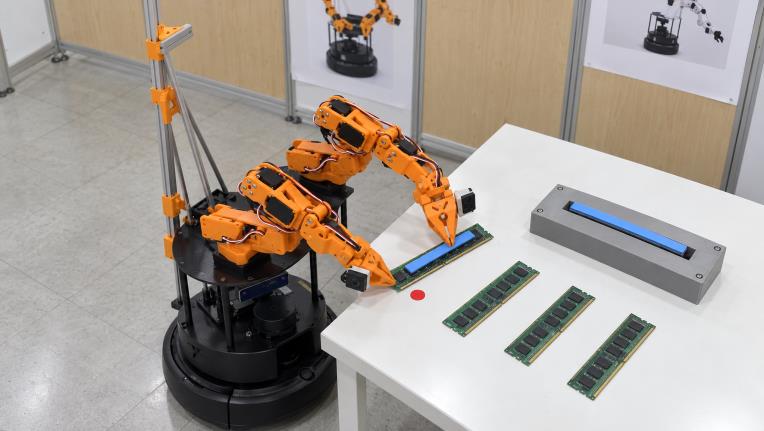
Robot picking a thermal pad next to three memory modules
Thermal pad and three candidate memory modules
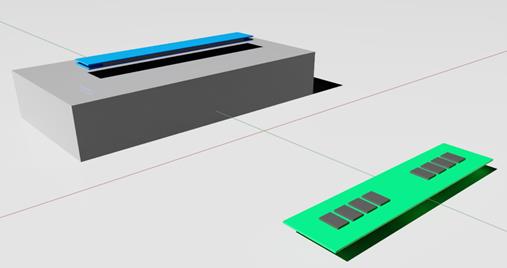
Simulation assets
Simulation assets
Deformable pad model
Track 3Long-Horizon Embodied Manipulation

Service Robot Challenge

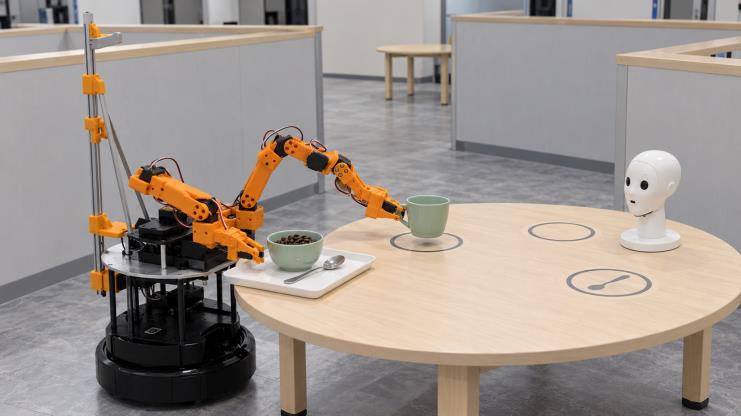
Full service cycle: table setup → bean recovery → cleanup, across the Kitchen, Dining and Garbage Collection areas. Objects: cup, bowl of coffee beans, spoon.

Max score10 pts, 3 stages
ModeFull autonomy only
Ranked byHighest completed stage
ThenTotal score → time

Stages & scoring (max 10 pts)

Setup · 3
Bean Recovery · 4
Cleanup · 3

Ranking priority

  1. Highest completed stage
  2. Total score
  3. Completion time
Scoring example
StageResultPoints
1 · Table SetupAll objects at their targets3
2 · Bean Recovery90% of the bean mass recovered4 × 90% = 3.6
3 · Cleanup2 of 3 objects in the sink region2
Total8.6 / 10

Teams are compared first by the highest completed stage, then by total score, then by completion time.

Illustrative example only. Official details will be in the rulebook.
Service arena overview
Kitchen, Dining and Garbage Collection areas
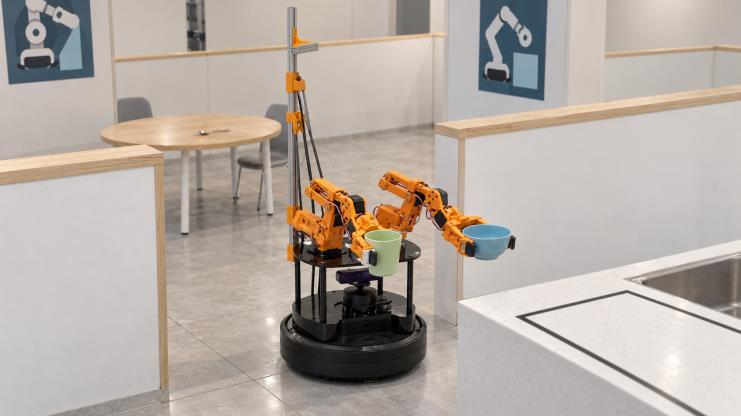
Stage 1: table setup
Stage 1 · 3 pts

Table Setup

  • Transport cup, bowl (with coffee beans) and spoon from Kitchen to Dining Area
  • Three randomly assigned targets: one for the cup, one adjacent to the robot head for bowl and spoon
  • Stage complete when every object sits at its assigned location
Stage 2: bean recovery
Stage 2 · 4 pts

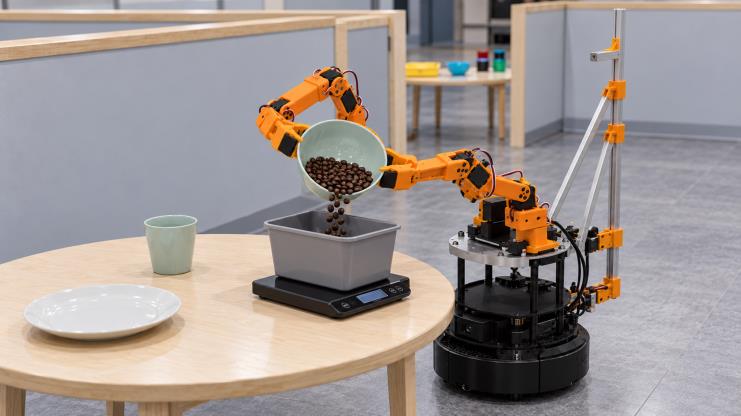
Bean Recovery

  • Transfer the coffee beans from the bowl into the recycling container in the Garbage Collection Area
  • Container sits on a scale; Recovery Ratio = recovered mass ÷ original mass
  • Points awarded proportionally (100% → full points, 90% → 90%, 80% → 80%)
Stage 3: cleanup
Stage 3 · 3 pts

Cleanup

  • Return cup, bowl and spoon to the Kitchen Area
  • Place each inside the sink region: the black rectangle on the countertop
  • 1 point per object inside the sink region
Competition platform

Low-cost mobile bimanual robot

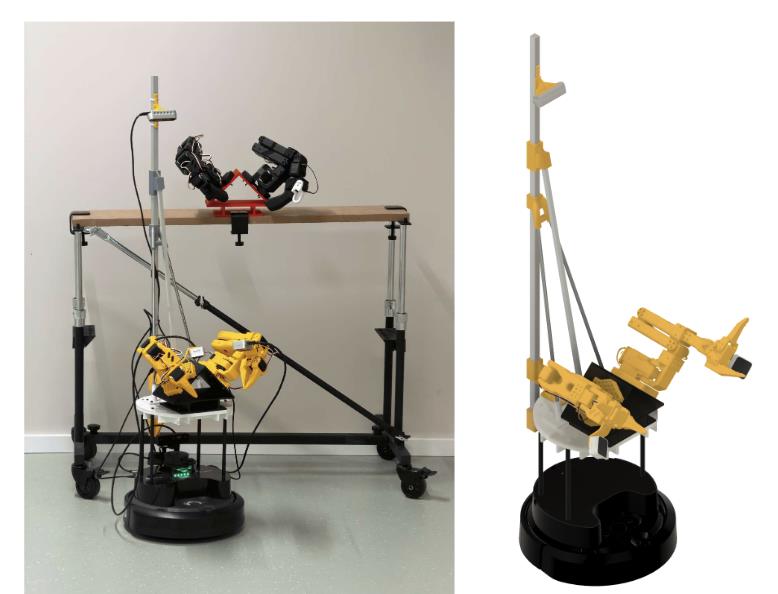
Two SO-ARM101 arms on a TurtleBot 4. Open-source hardware and software lower the barrier for university teams, and the compact footprint suits the 100 cm aisles and 30 cm tables of the EBiM-Lite arena.

Prototype and render of the platform
Prototype (left) and design render (right)
Arms2 × SO-ARM101, 6-DoF
End effectorsParallel grippers
Arm sensingWrist cameras
Mobile baseTurtleBot 4 (iRobot Create 3)
Base sensingOAK-D camera + lidar
SimulationIsaac Sim / Isaac Lab
Onboard computeJetson AGX Orin (TBC)
Rules3 tracks adapted from full EBiM
Task arena

A smaller arena for a smaller robot

Tables

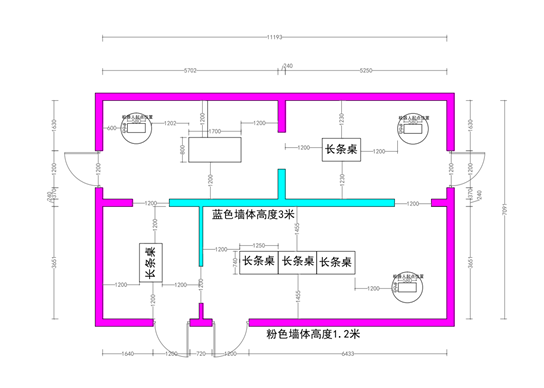
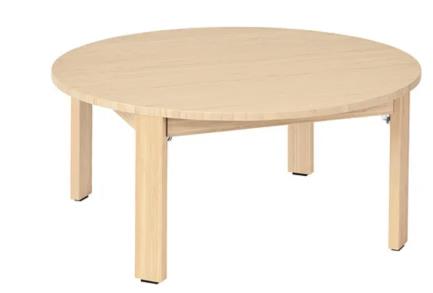
Each table switches to a Moxboda, 30 cm high with 70 cm diameter.

Aisles

All aisles shrink from 150 cm to 100 cm.

Robot

The robot switches to the low-cost dual SO-101 platform.

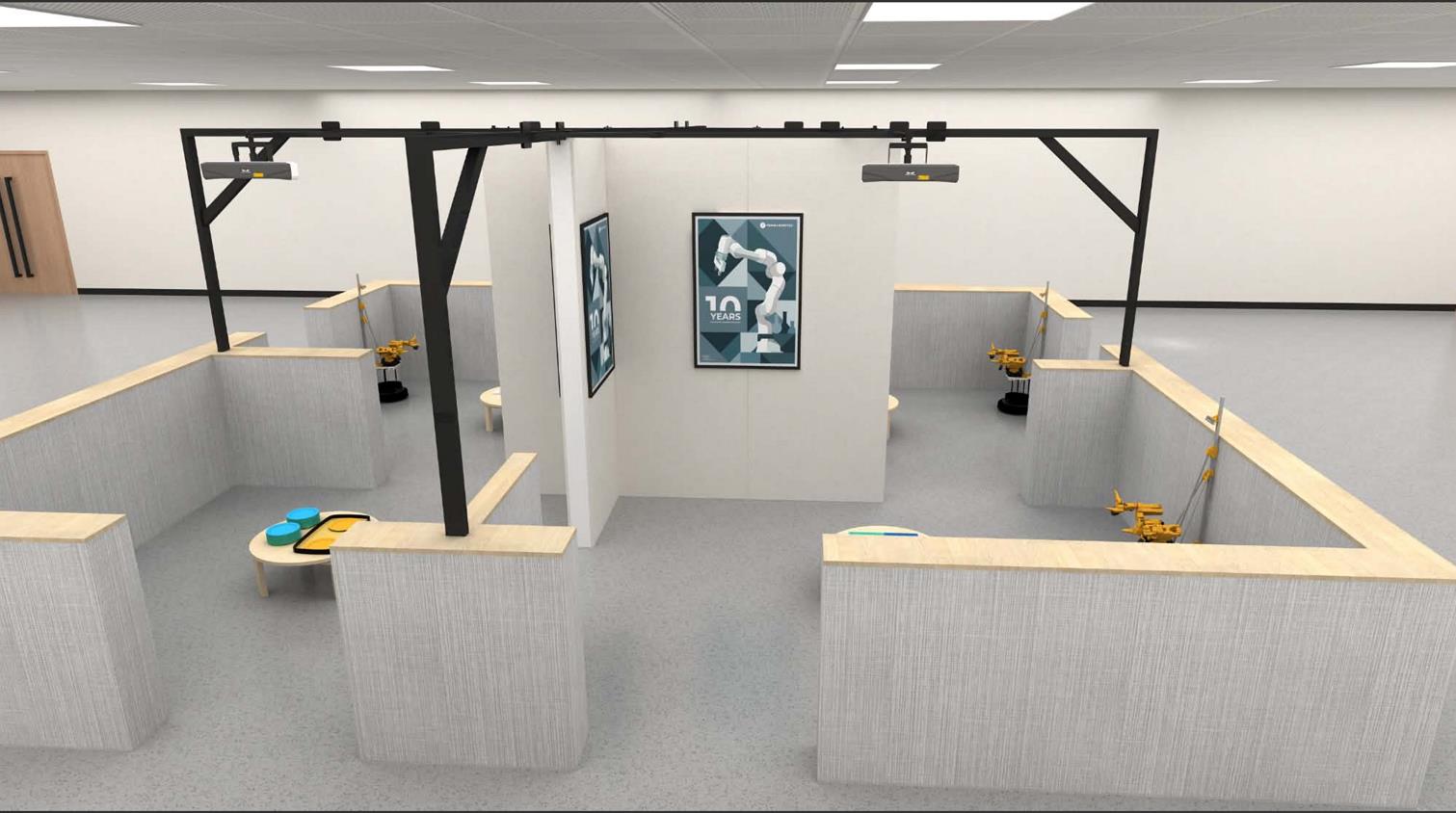
Arena overview
Arena overview
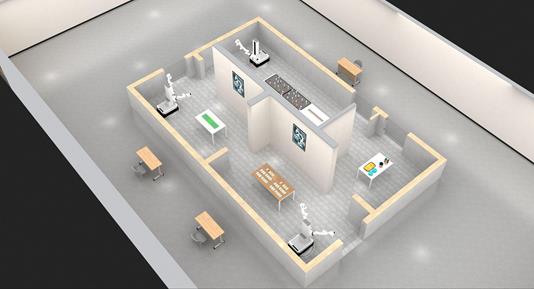
Floor plan
Floor plan
Arena render
Arena render
Arena render
Arena render
Moxboda table
Moxboda table · H 30 cm · Ø 70 cm
On-site validation

Validation sites

Site details (venues, operations leads, opening hours) will be announced.

Taipei / Taoyuan

Venue TBA

Hsinchu

TBC

Tainan / Kaohsiung

Venue TBA

Competition architecture

From learning to the real final

Learning

  • DLI workshops and self-paced training
  • GitHub
  • Docs

Simulation

  • Tasks: Cable Routing, Thermal Pad Pick-and-Place, Service Robot Challenge
  • Engine: Isaac Sim

Computing resources

  • RTX 5080
  • RTX / DGX Spark
  • DLI for learning
  • Brev
  • Jetson AGX Orin (TBC)

On-site validation

  • Taipei / Taoyuan
  • Tainan / Kaohsiung
  • Hsinchu (TBC)

Finals & results

  • Leaderboard
  • Real finals
  • Workshop
  • Awards
  • Benchmark report
Call for participation

Who can join and how

Stage I · Simulation

  • Open to university and industry learners
  • Application deadline: Dec 21, 2026
  • NVIDIA learning materials and Brev credits for all teams
  • Simulation pre-selection: Feb 25 – Mar 25, 2027

Stage II · Selected teams

  • About 10 teams selected from simulation results
  • DGX Spark or RTX machine lent; limited SO-101 arms provided
  • Offline preliminary rounds at validation sites
  • Real-robot final at GTC Taipei, mid-May 2027
To be announced

Eligibility details

Team size, entry fee, team naming rules and how many tracks a team may enter will be published in the rulebook.

Timeline

Competition timeline

EventDate
Official announcementNov 20, 2026
Application deadlineDec 21, 2026
Stage I simulation (compute Phase I/II)Dec 2026 – Mar 2027
Simulation pre-selectionFeb 25 – Mar 25, 2027
Stage II selected teams (compute Phase III)Mar – May 2027
Real-robot final @ GTC TaipeiMid-May 2027
Get the code

Simulation environments & starter code

Coming soon

GitHub repository

The Isaac Lab task environments, robot assets, documentation and baseline code will be released on GitHub.

Submission

How to submit

To be announced

Submission format & rules

The submission format, packaging requirements and rules for the simulation pre-selection will be published before Feb 25, 2027.

Awards & prizes

Final prizes for the top 3 teams

1st place

TBA

2nd place

TBA

3rd place

TBA

Prize details, and whether there are special awards, will be announced with the sponsors. Final results →

New to robot learning?

Start with the NVIDIA DLI courses and the compute resources provided to every team.